PixelBuf

Weilin Mei, Founder and CEO

New York, NY
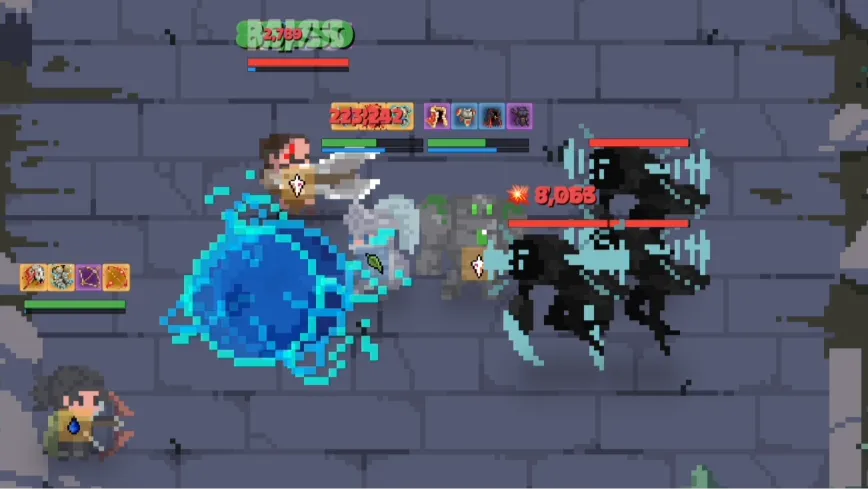
Combat scene in auto chess, idle PRG game Idle Horizons: Dawn of Heroes Idle Horizons: Dawn of Heroes gameplay showing the auto chess-style team-building system
Build something you’d actually play yourself

When you’ve played enough mobile games as Weilin Mei, founder of indie game studio PixelBuf has, you start to ponder a very important, and rather introspective question: what if I built a game custom made just for me, something that I’d wish someone else had developed? What would that look like?

That game for Weilin, it turns out, is none other than Idle Horizons: Dawn of Heroes.

The game is equal parts auto chess and idle RPG, as the game’s Google Play store listing touts. That’s video game speak for a game that involves team building (you assemble a cast of characters with different abilities and roles) and make progress through the game with them (by earning resources and rewards), even when you’re not actively playing.

Before Weilin launched Idle Horizons, he was working full time as a software engineer and new to the whole game development world. In fact, this was the very first mobile game he had ever created, so he was quite taken aback when it turned out to be a hit, reaching hundreds of thousands of players in its first year.

“I didn’t expect it to do well,” he admits. “I thought maybe it’d make a little money. So when it passed a million in revenue, that was surprising,” to say the least.

And when you pull back the curtain, you notice all sorts of other pleasant surprises that make Weilin’s game unique among its peers.

Take, for instance, the game engine he went with: Flutter. It’s still a software framework that developers can use to build apps, but most game developers tend to actually go a different route, something more traditional like the Unity game engine. Weilin’s decision to use Flutter was actually a happy accident, due to not having any prior game development experience and Idle Horizons was his first ever game project.

Then there’s the fact that he’s trained as a backend engineer, so Idle Horizons is architected very elegantly under the hood, the pieces assembled deliberately and thoughtfully, so that the gameplay feels smooth, and everything is seamless. Moreover, there are virtually no cheaters in the game since everything is validated in the backend.

“The frontend app is like a slideshow with moving pieces controlled by the backend,” he explains.

And the data behind the scenes is also where Weilin is most at home. “I like looking at the data,” he says, referring to game analytics. “Trying to figure out where the bottlenecks are. What’s stopping players from progressing. What can be improved.”
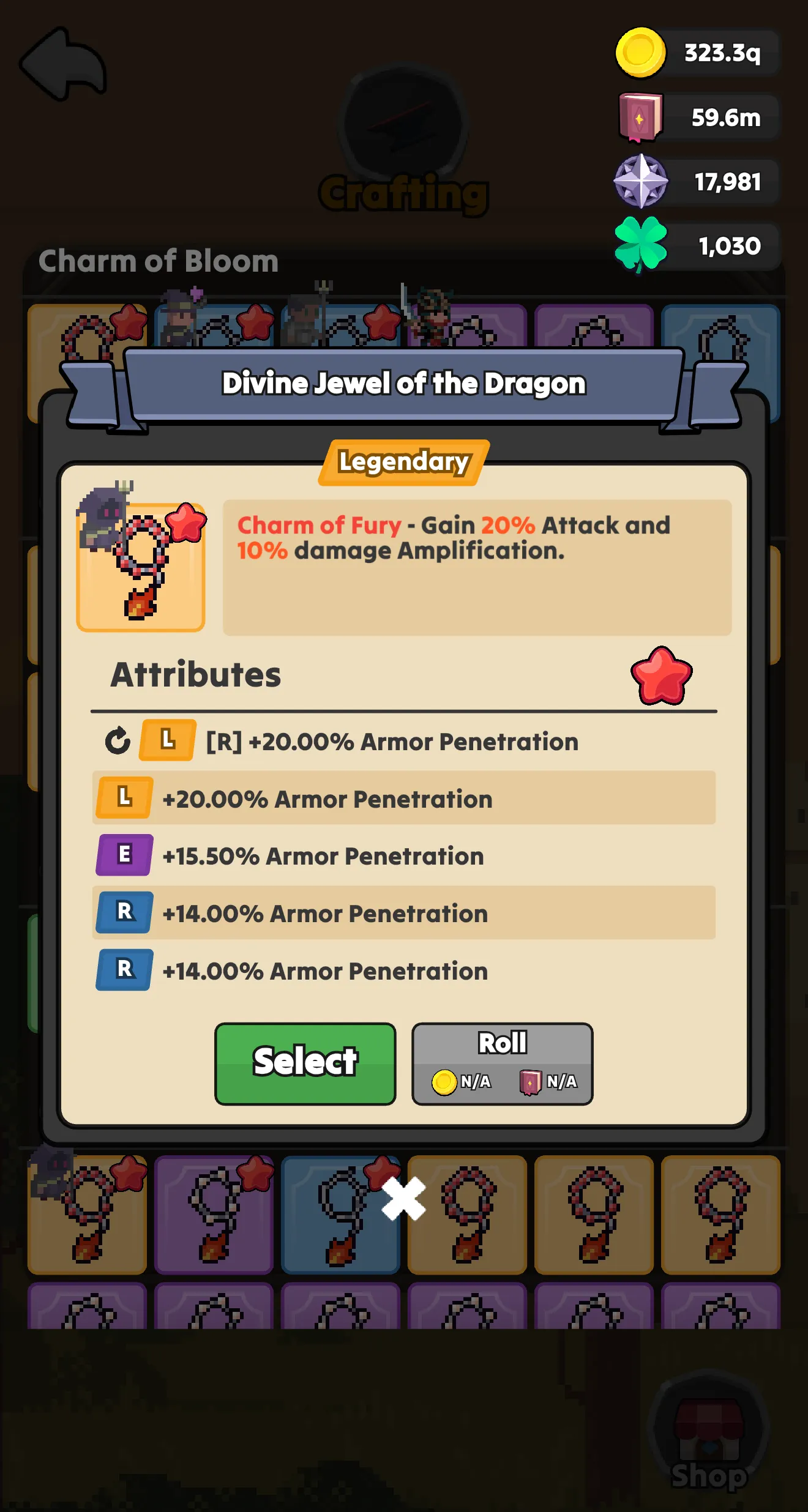

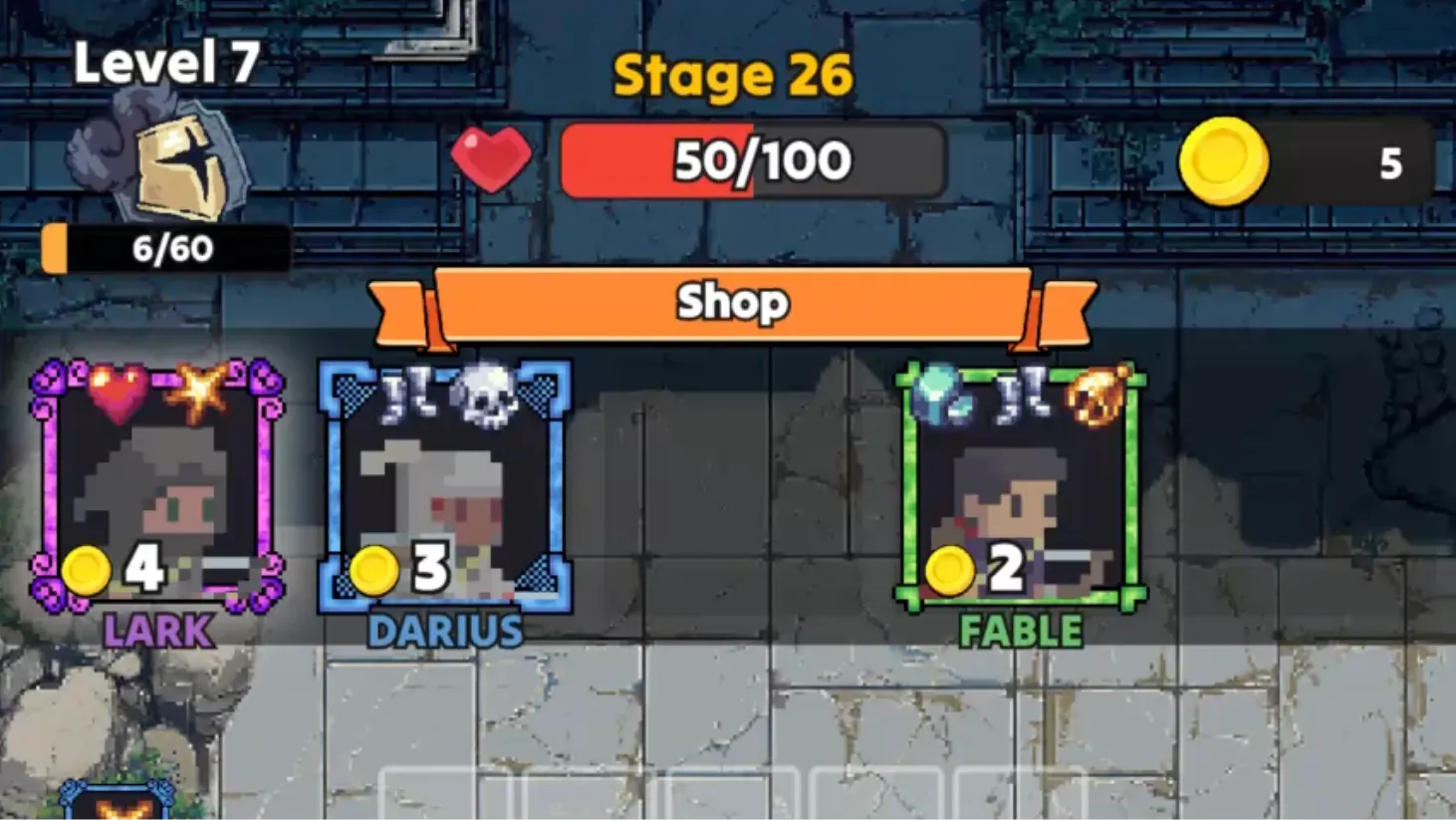
In Idle Horizons. players can customize their heroes with various items and attributes.
Strike the right balance

Like a lot of mobile games, Idle Horizons makes money through a mixture of in-app purchases and in-app advertising. But that second part, over time, has become a very important part of PixelBuf’s business.

“Ads are about 15% of our revenue,” he says, breaking it down for us. “And that portion is very necessary.” That’s because Idle Horizons, in spite of its impressive top line revenue, operates on profit margins that are, in fact, thinner than you’d expect, especially if you factor out operating costs.

“Sure, [ad revenue] is incremental,” he points out. “But it makes a big difference when you zoom out and look at the bigger picture.”

At first, when he started out, he worked with Google AdMob to show ads, then eventually upgraded his setup with mediation — where multiple advertising sources compete for each ad impression in his app, thereby pushing up how much he can charge for it. Over time, that helped to lift ad revenue to where it’s at today, from roughly 5% to 15% of total revenue.

“[Ad revenue] makes a big difference when you zoom out and look at the bigger picture.”
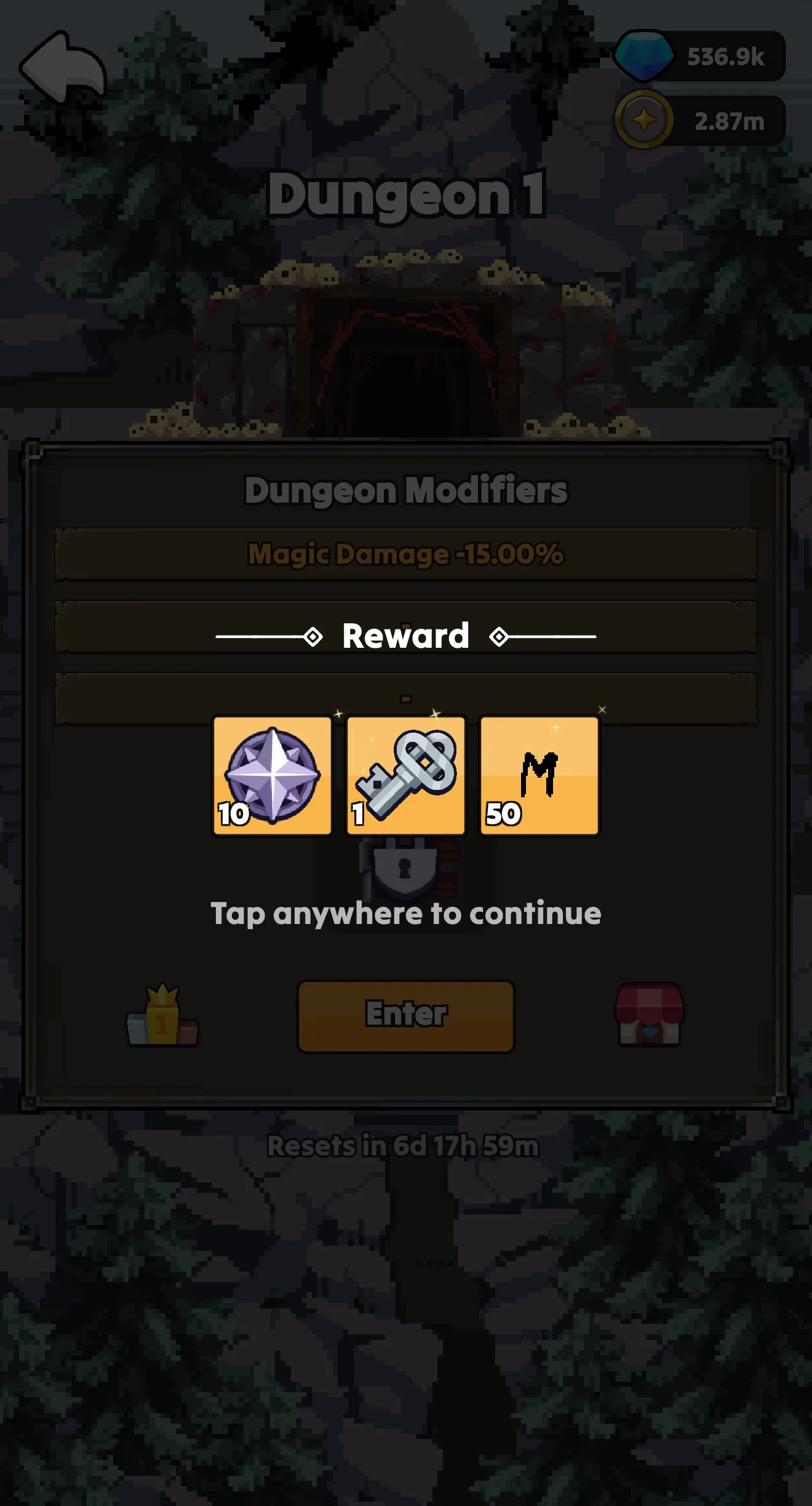
Players earn currency and items in Idle Horizons by completing dungeons.
Scale with a team of one

For all of its success, however, Idle Horizons is still run by a team of one. But these days, Weilin counts AI as his best teammate.

“I use AI for almost everything when I’m coding,” he says. “It helps me move much faster.”

Generating code, churning out new features, even creating variations of creative assets (especially for ads, where testing various hooks can actually make a real difference) — it’s safe to say, game development will never look quite the same thanks to AI, and while AI can put execution on steroids, judgment at the end of the day, Weilin insists, should still sit with the developer.

“AI is a really helpful tool, but you still have to double check it,” adds Weilin. “It helps me move much faster, but the final calls still have to come from me.”

Meanwhile, Idle Horizons continues to do a lot of auto chess-ing of its own, drafting more and more users every day from around the world, especially Asia, where Weilin claims the game’s mechanics are more familiar.

There’s a Discord server, Instagram, and TikTok accounts too, filled with tens of thousands of players, coming together, carving out a virtual space of their own around the game, where feedback and updates flow back and forth between a developer and his players.

“It’s a lot,” he says. “But it’s really interesting to see how people interact with something you built.”

When he thinks about what happens from here, Weilin intends to take PixelBuf up a notch: maybe hiring some support, perhaps even building new games. But first things first: he wants to make the current game more profitable, enough to justify bringing on an employee, for instance.

As for now, it remains Weilin’s ad-supported side project (albeit a big one, and with global proportions). But like the game itself, progress will assuredly happen, step by step, turn by turn.

About the Publisher

Weilin Mei, founder of indie game studio PixelBuf, has single handedly developed the global sensation known as Idle Horizons: Dawn of Heroes, a mobile RPG game that was originally designed with himself in mind. With a background in backend software engineering, and zero game design or development experience, Weilin built the game singlehandedly using Flutter (and with the help of AI now and again, to add some accelerant to the development and marketing processes), and all while working a full-time job no less. Based out of New York City, he continues to grow PixelBuf as a one-person shop, with ambitions to expand it into a full-time studio someday. He is an avid mobile gamer himself, with a particular love of gacha games.

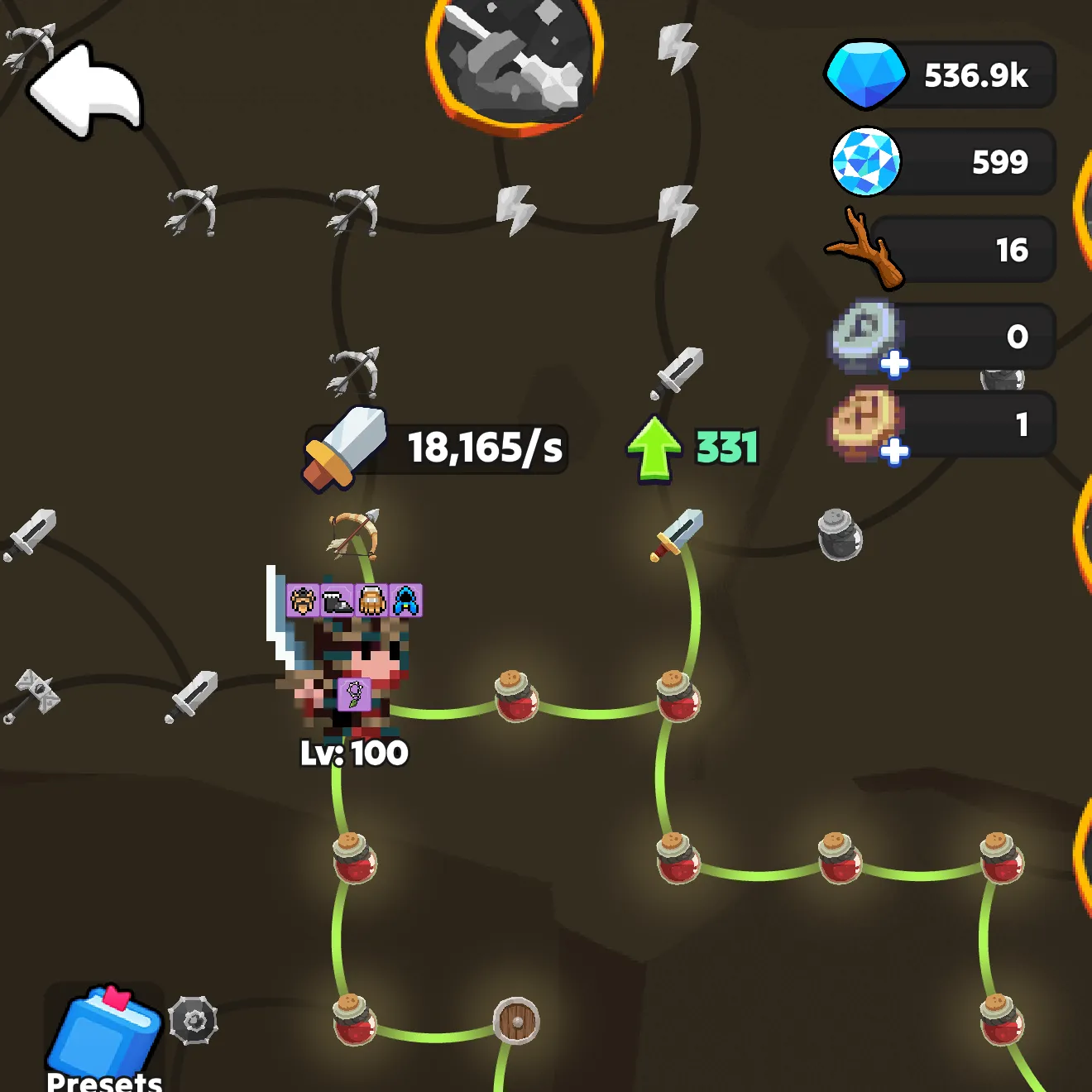
Idle Horizons features a system where players upgrade abilities and unlock new paths.